Napa Valley Without A Car: Is It Possible?

  • Travel
  • by WINECOUNTRY COLLECTIVE
  • on JANUARY 21, 2026
  • 7
  • 0
Travel

Napa Valley Without A Car: Is It Possible?

By WineCountry Collective January 21, 2026

Yes, visiting Napa Valley without a car is possible—but only with careful planning and realistic expectations. For a short stay concentrated in one or two towns, you can explore comfortably on foot, by rideshare, or through guided tours. For travelers hoping to roam freely among wineries scattered across rural hillsides, however, a car still offers unmatched flexibility.

With more and more people choosing not to rent a car, the real question isn’t whether Napa Valley is accessible without a car, it’s how to do it right. The key is to center your stay in an area with clustered tasting rooms, easy access to dining, and reliable transportation services. Travelers who approach Napa as a walkable wine town experience, rather than a sprawling road trip, can absolutely enjoy it car-free.

Getting to Napa Valley Without a Car

Beau Wine Tours
Photo courtesy of Instagram: Beau Wine Tours

The most common entry point is San Francisco, about 60 miles south. Without a car, you have several options:

  • Ferry and shuttle: Take the San Francisco Bay Ferry to Vallejo, then connect to the Vine Transit Route 11 bus into downtown Napa. It’s scenic and budget-friendly, though the total trip can take two to three hours.
  • Airport transfer or rideshare: From SFO or OAK, private shuttles and rideshares are available but costly (often $150-$250 one-way). For small groups, this can still beat the hassle of driving yourself.
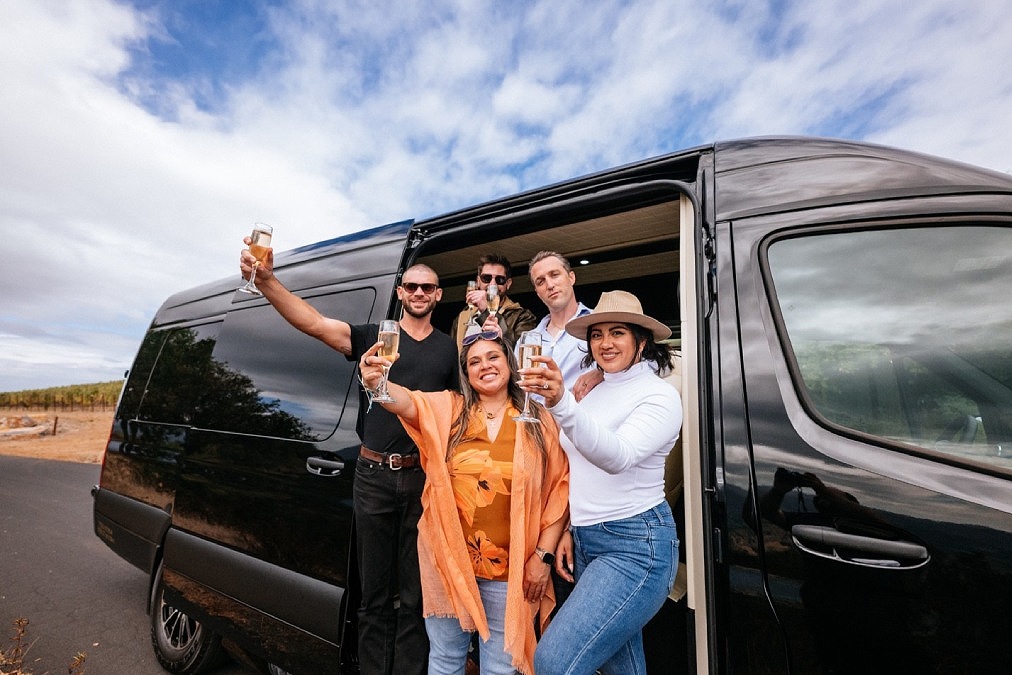
  • Private car service: Best for visitors arriving with luggage. Companies like Pure Luxury Transportation and Beau Wine Tours & Limos offer direct shared or private transfers from Bay Area airports to hotels in Napa Valley.

Once in the valley, deciding how to move between towns becomes the main challenge.

Getting Around Napa Valley Without Driving

Pure Luxury Transportation
Photo courtesy of Instagram: Pure Luxury Transportation

Napa Valley stretches roughly 30 miles from Napa to Calistoga, with wineries dotted along Highway 29 and the Silverado Trail, which run parallel to each other. Each mode of local transport works best for a specific style of trip.

Rideshares

Uber and Lyft operate here, but coverage is inconsistent, especially north of St. Helena or after dark. Wait times of 15-25 minutes are common, and return rides from remote wineries aren’t guaranteed. In downtown Napa and Yountville, though, service is relatively dependable for short hops between tastings or dinner reservations.

Use rideshare apps primarily within a single town or area—for example, staying in Yountville and visiting nearby tasting rooms or restaurants—and avoid counting on them for cross-valley travel.

Organized Wine Tours and Drivers

If you want to visit wineries scattered across different towns without driving, join a small-group or private wine tour. These range from half-day circuits to curated itineraries with tastings, lunch stops, and local guides. You can explore ideas here.

Private drivers are another flexible option for couples or groups. Many are independent locals with deep winery connections, making reservations easier. Expect rates from $60-$90 per hour with minimum booking times. This approach eliminates transport stress while keeping your schedule flexible.

The Napa Valley Wine Train

Napa Valley Wine Train
Photo courtesy of Napa Valley Wine Train

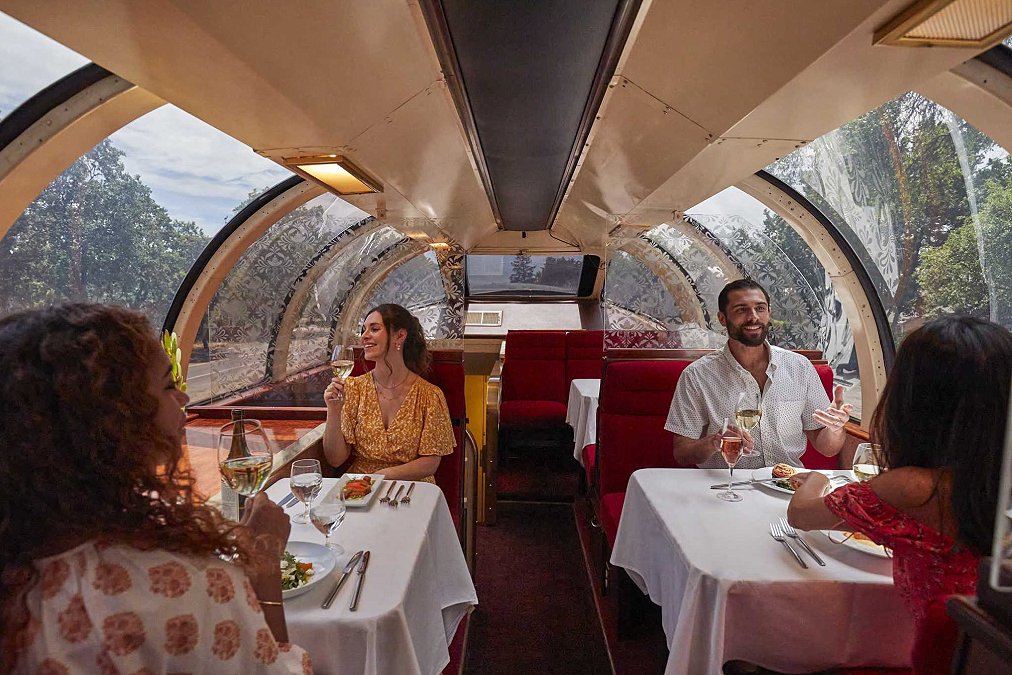
For a unique, car-free day, the Napa Valley Wine Train offers a restaurant-style rail journey from downtown Napa through Rutherford and St. Helena. It’s not a hop-on, hop-off service but a fixed route with tasting and dining options aboard. It’s ideal for travelers who want to see the scenery without driving, not a transportation method between stops. You can learn more about the Wine Train experience here.

Biking and Walking

Visit Calistoga
Photo courtesy of Visit Calistoga

Biking works well in Napa Valley’s flatter stretches, especially Napa to Yountville along the paved Napa Valley Vine Trail. Choose hotels offering bikes or guided bicycle tours for casual days. Here are more tips for biking in Napa Valley.

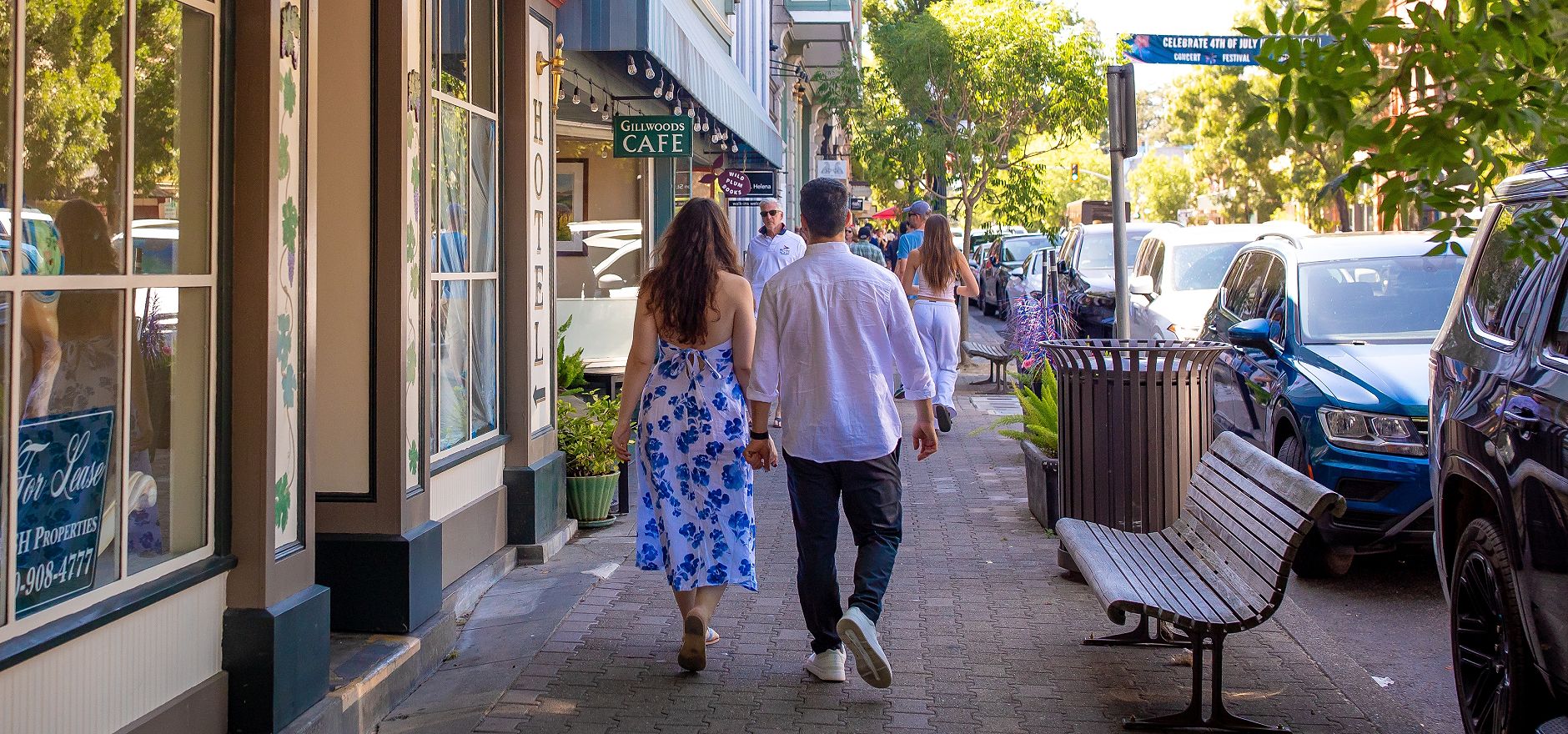
Walking is realistic only within compact downtowns like Napa, Yountville, St. Helena, and Calistoga. Each of these towns have concentrated tasting rooms and restaurants within a mile radius. Between towns, however, distances quickly stretch, and road shoulders can be narrow or unsafe for pedestrians.

Public Transit Reality Check

Napa County’s Vine Transit bus network connects certain towns along Highway 29. It’s clean, safe, and affordable, but service is limited to hourly daytime routes and doesn’t reach rural wineries. Use it for essential travel, such as moving between Napa, Yountville, or St. Helena—not for winery hopping. Schedule awareness is critical, as late-evening service is minimal.

Where to Stay Without a Car

Andaz, Napa Downtown riverfront
Napa Downtown riverfront, Photo courtesy of Andaz

Choose your base based on walkability and access to dining. These towns make car-free trips far easier:

Downtown Napa

Best public transit hub and has the most action day and night. You can walk to dozens of tasting rooms, shops, and top restaurants, walk along the river, and explore free public artworks in town. Our Top Hotel Picks: Andaz Napa, Milliken Creek Inn.

Yountville

Compact luxury village with attractive buildings, Michelin-rated dining, and cute tasting rooms all within a few blocks. It’s also the closest town to Napa, connected by the Vine Trail. Stay Here: Lavender, A Four Sisters Inn.

St. Helena

Expect small-town charm with a number of shops, galleries, restaurants, and a handful of centrally located wineries nearby. Our Top Hotel Choice: Meadowood Napa Valley.

Calistoga

Ease into a slower pace, where a quaint downtown, mineral spas, inns and luxury lodging, and several wineries round out the experience. Our Go-To Lodging: Dr. Wilkinson’s, The Bergson.

Staying in remote areas without transportation can quickly limit what you’re able to do. You’ll most likely need a car or private driver in this scenario.

When a Car-Free Trip Works Best

bike ride in Napa Valley
Take a bike ride and discover the beauty of Napa Valley. Photo courtesy of Bob McClenahan Photography

A car-free Napa itinerary works beautifully when you limit your footprint. Stay two or three nights in one town, book wine experiences within walking or cycling distance, and dedicate a day to a guided tour or the Napa Valley Wine Train. Couples focused on relaxation, wine tastings, and dining will likely find the slower pace ideal.

By contrast, travelers who want to explore multiple appellations will likely find the logistics cumbersome without their own vehicle. Winery appointments may only be 15-20 minutes apart by car, but transportation options thin out quickly as you move north. In these cases, booking a wine tour with transportation or renting a car for a single day often strikes the best balance between freedom and convenience.

Let a Wine Tour Handle the Driving

If you’re visiting Napa without a car, a guided wine tour can simplify the entire day. Reputable operators such as Beau Wine Tours, Pure Luxury Wine Tours, and California Wine Tours handle driving, timing, and coordination, making them a strong option for car-free travelers.
Explore Tour Companies Here.

Conclusion

Napa Valley can be enjoyed without a car, but it requires strategic planning and flexibility. Base yourself in a walkable town, mix short rideshares with guided tours, and accept a slower, localized rhythm. For visitors focused on tasting and relaxing rather than exploring every backroad, going car-free can be an excellent, stress-free choice.

If you’re mapping out your stay, you might also like our guides to how many wineries to visit in one day, a 3-day Napa itinerary, and the best time to visit Napa Valley.