What Makes Napa Valley Rosé Different?
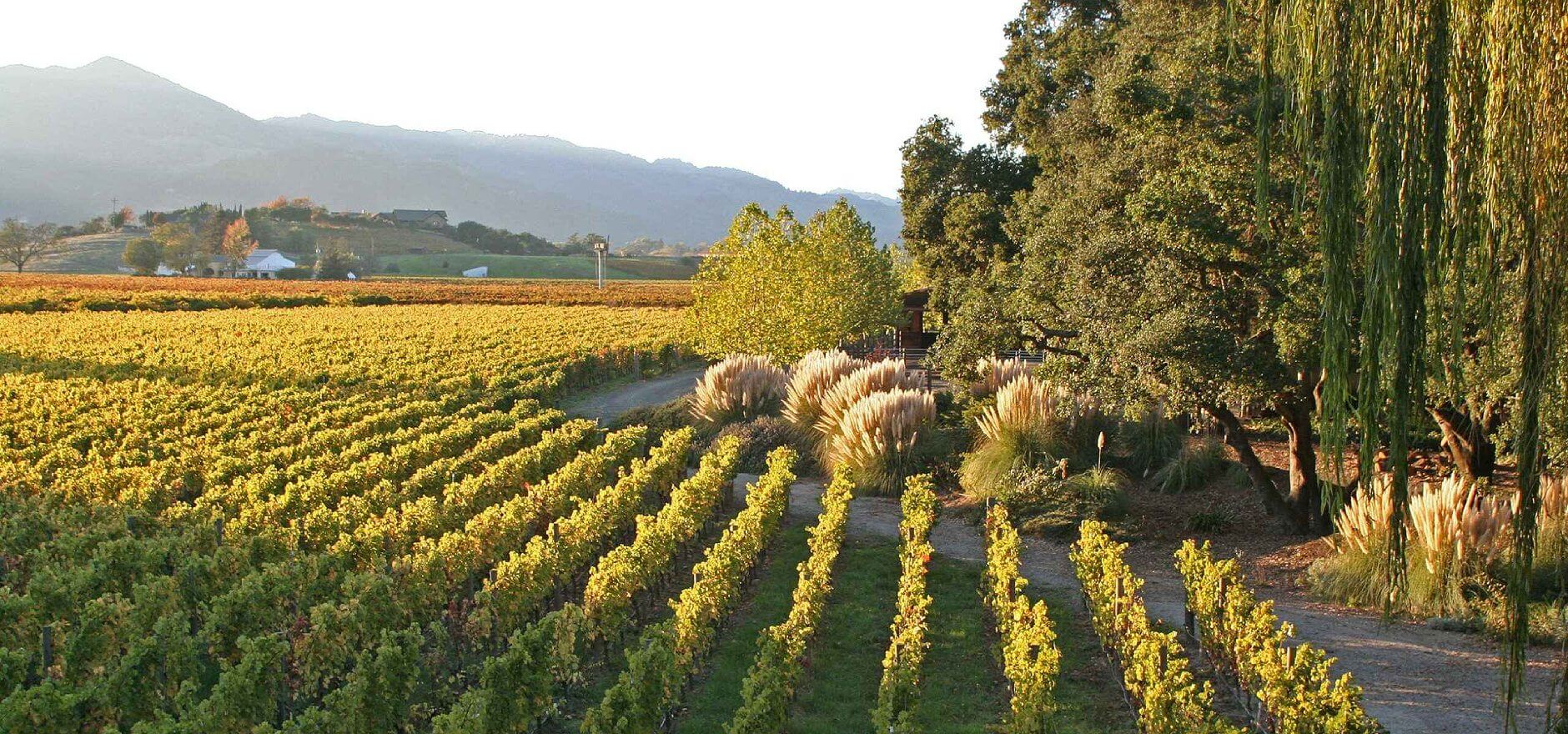
Napa Valley rosé often lands a little richer and more fruit-forward than the ultra-pale wines coming out of Provence, and that’s not a bad thing. Warm daytime temperatures help grapes develop expressive fruit flavors, while cooler areas like Los Carneros, influenced by breezes from the San Pablo Bay, help wineries maintain the acidity that keeps rosé fresh and balanced.
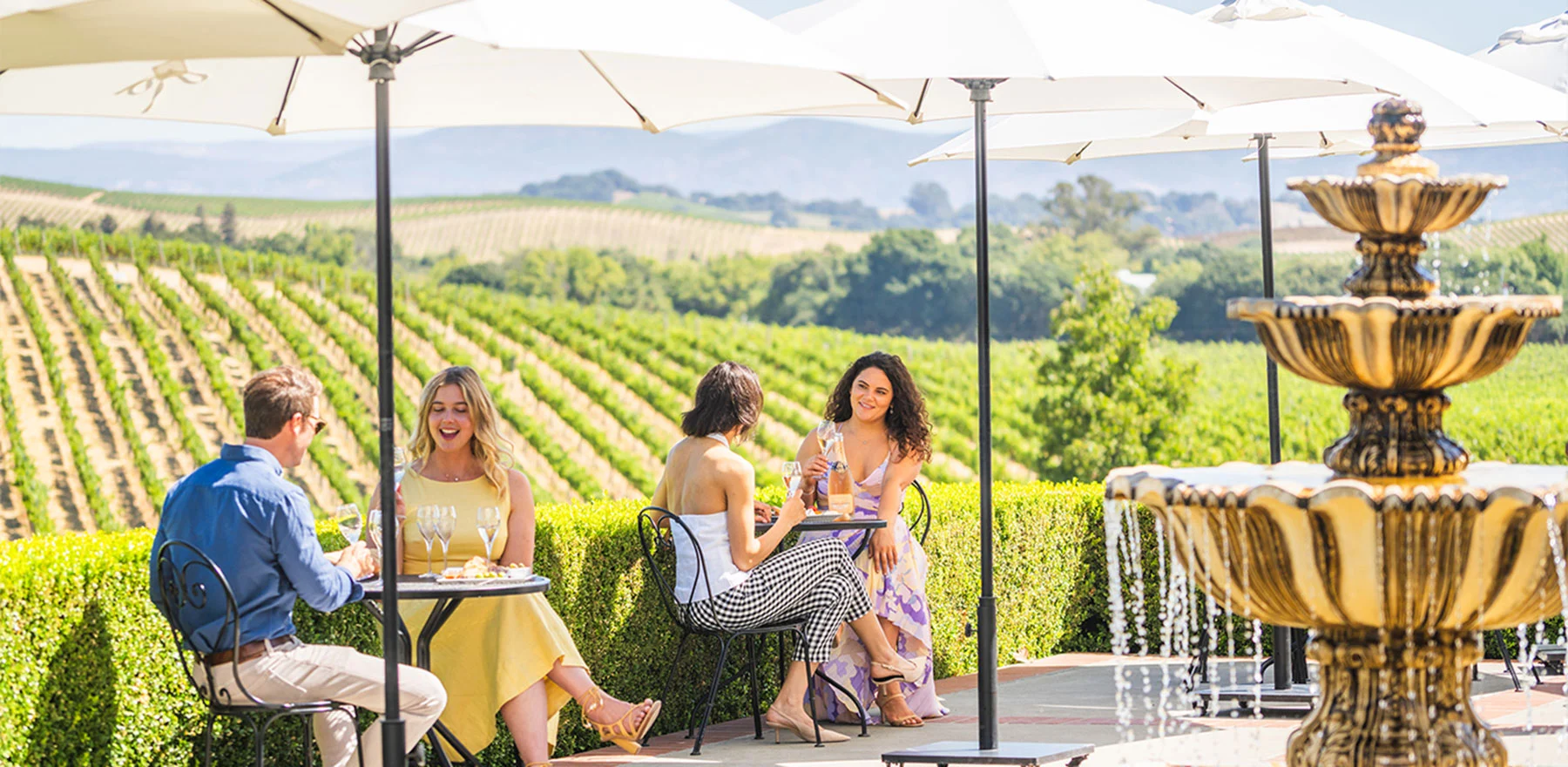
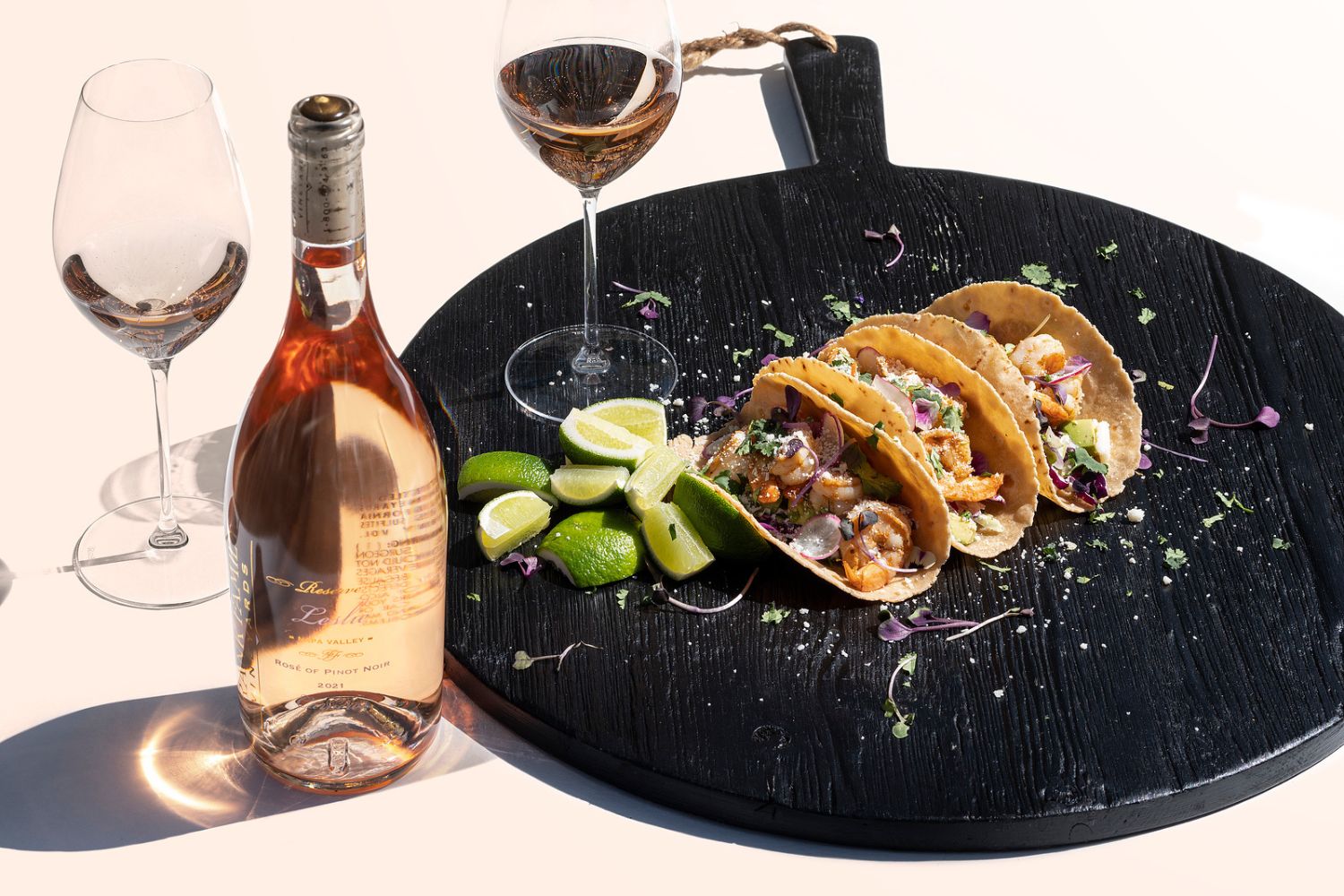
One of the most common questions about Napa Valley rosé wines is what foods to pair them with. Fortunately, they’re among the most versatile wines on the table. Crisp styles shine alongside oysters and seafood towers, while fuller-bodied rosés can easily handle grilled dishes, charcuterie boards, and long outdoor lunches that turn into dinner reservations.
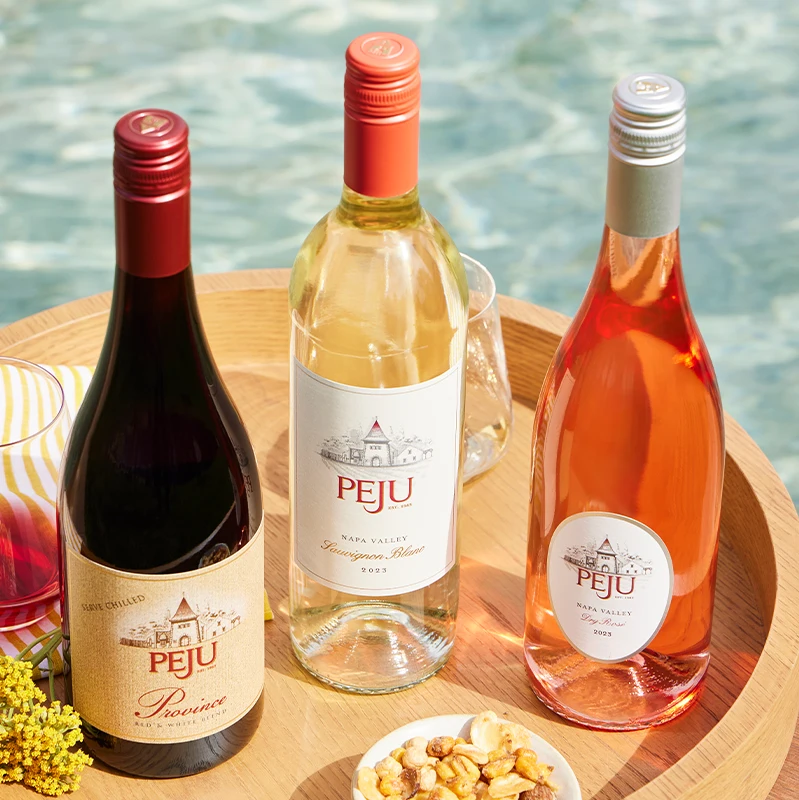
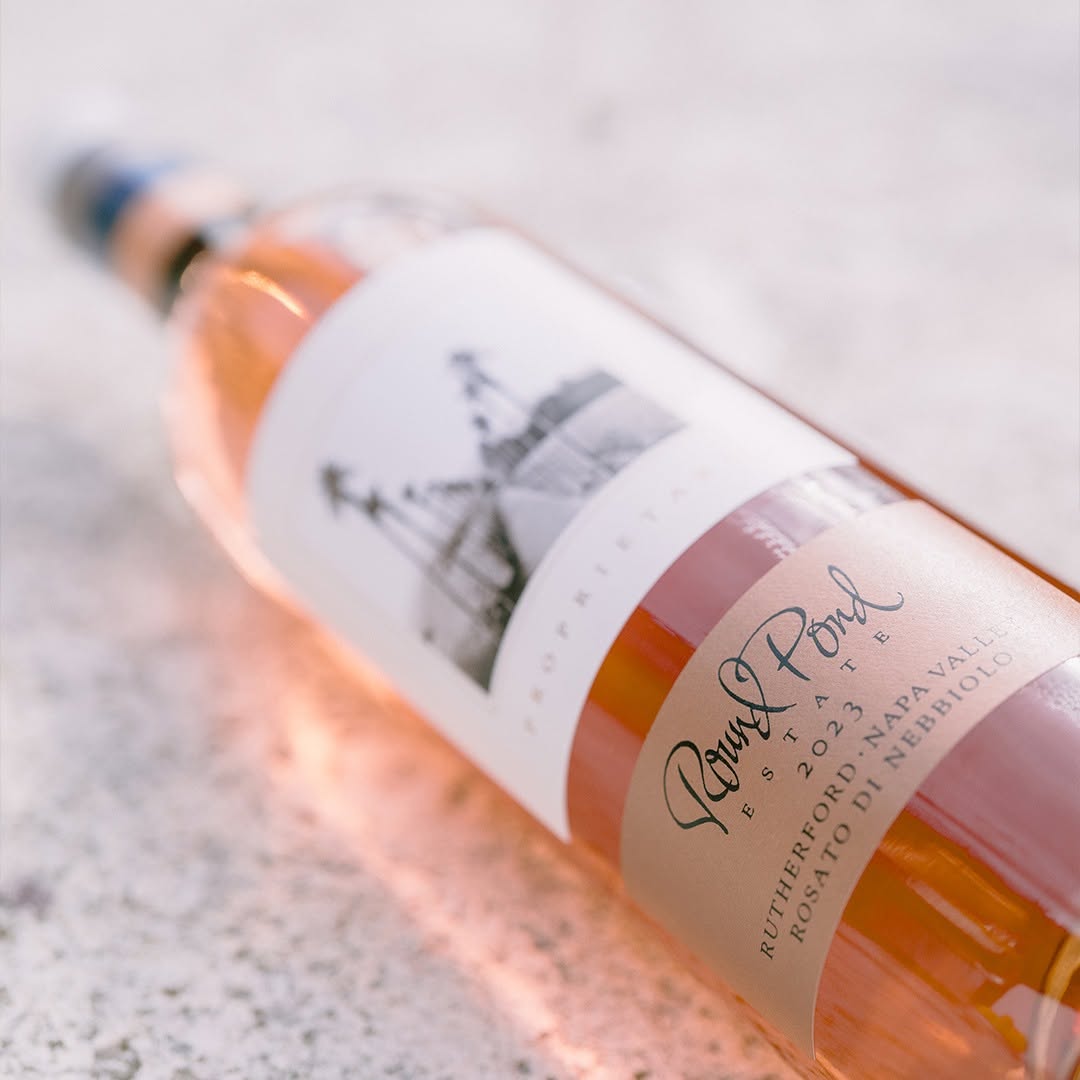
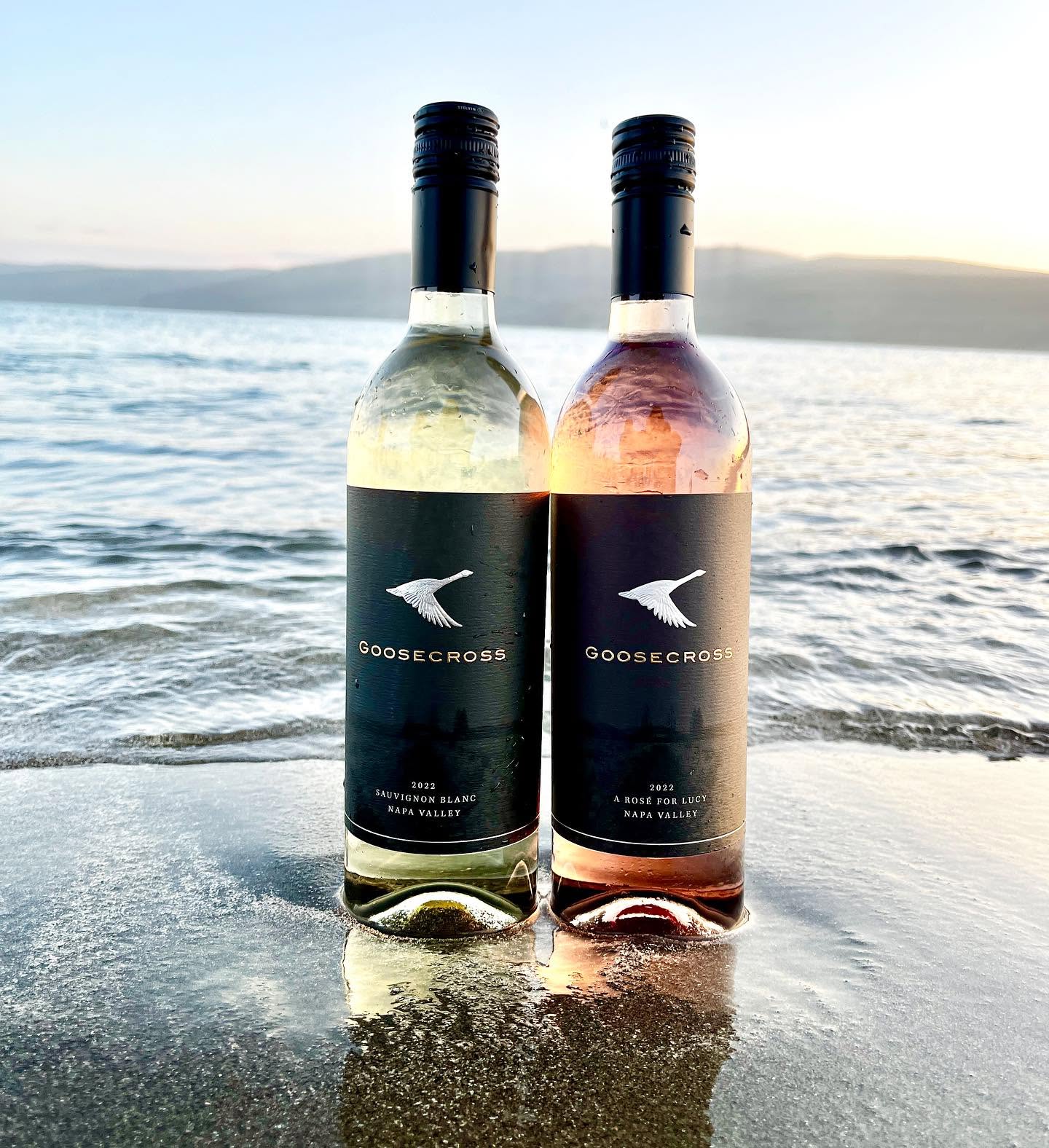
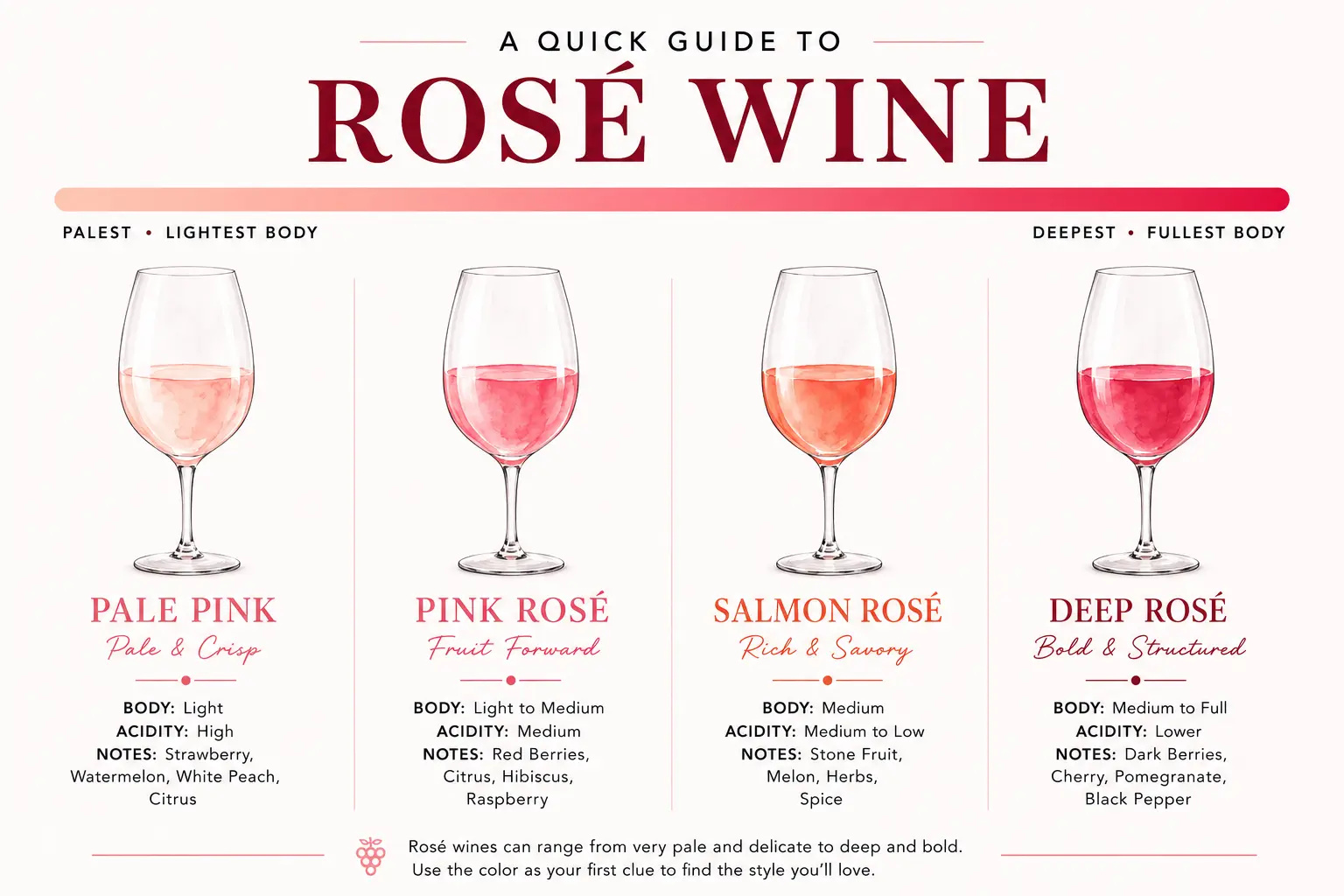
Unlike the sweeter blush wines many people still associate with rosé, most Napa Valley rosés today are produced in a dry style. Winemakers frequently use Pinot Noir, Cabernet Sauvignon, Grenache, Syrah, and other Rhône and Bordeaux varieties to create wines that range from bright and delicate to richer and more structured.
You’ll also notice more variety here than many people expect:
- Pinot Noir rosés from Los Carneros
- Cabernet Sauvignon rosés with additional body and texture
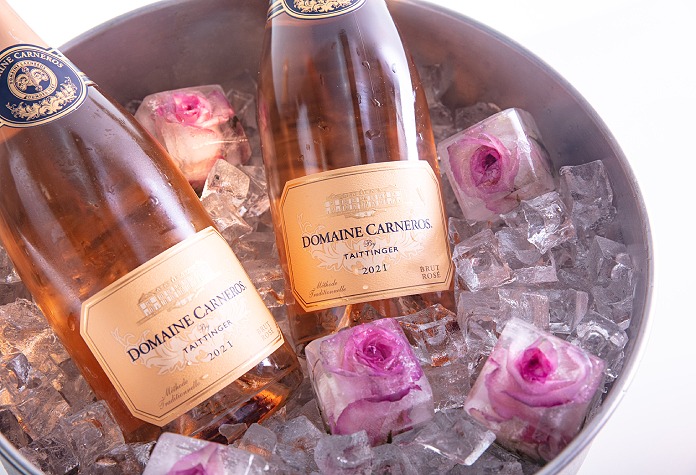
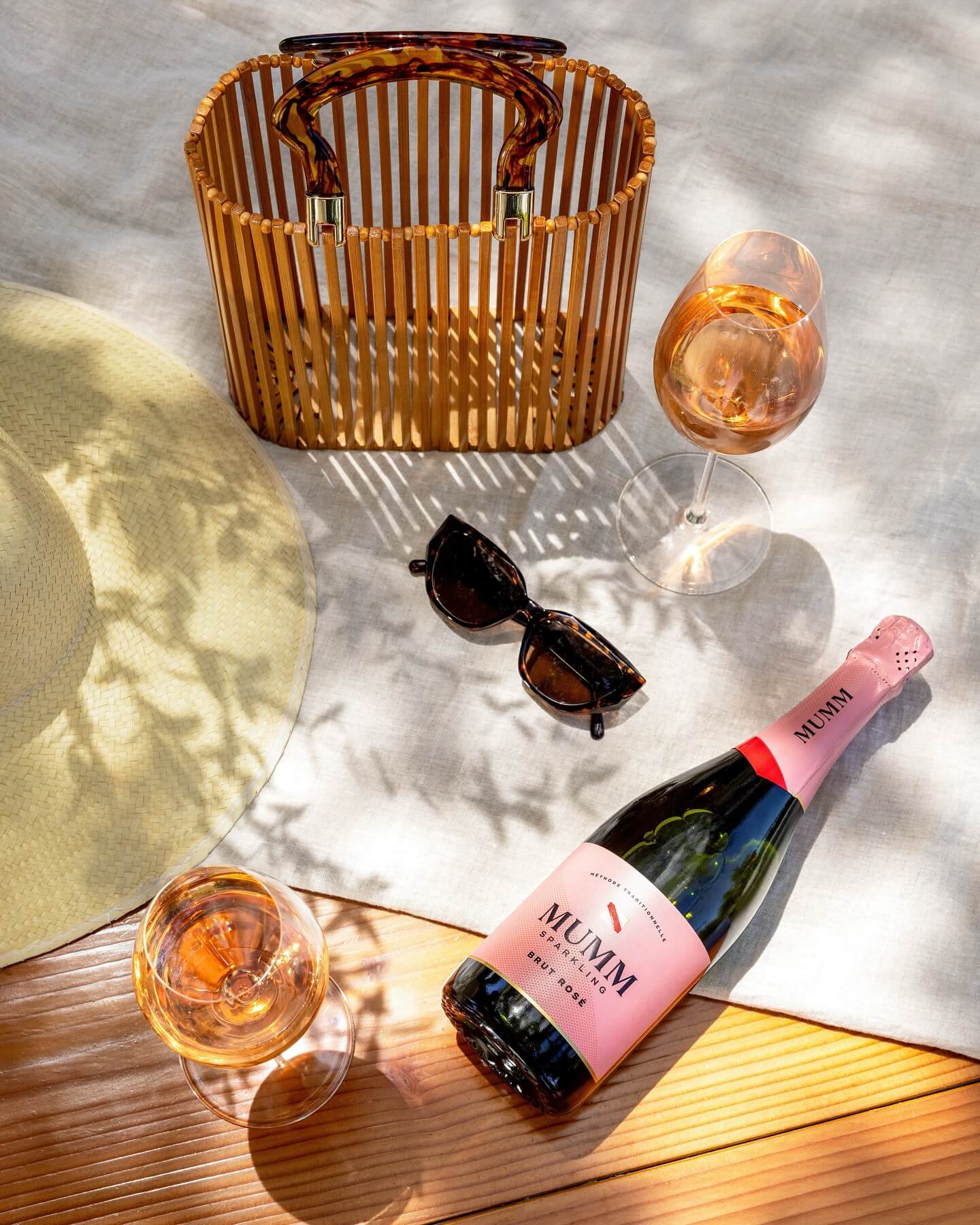
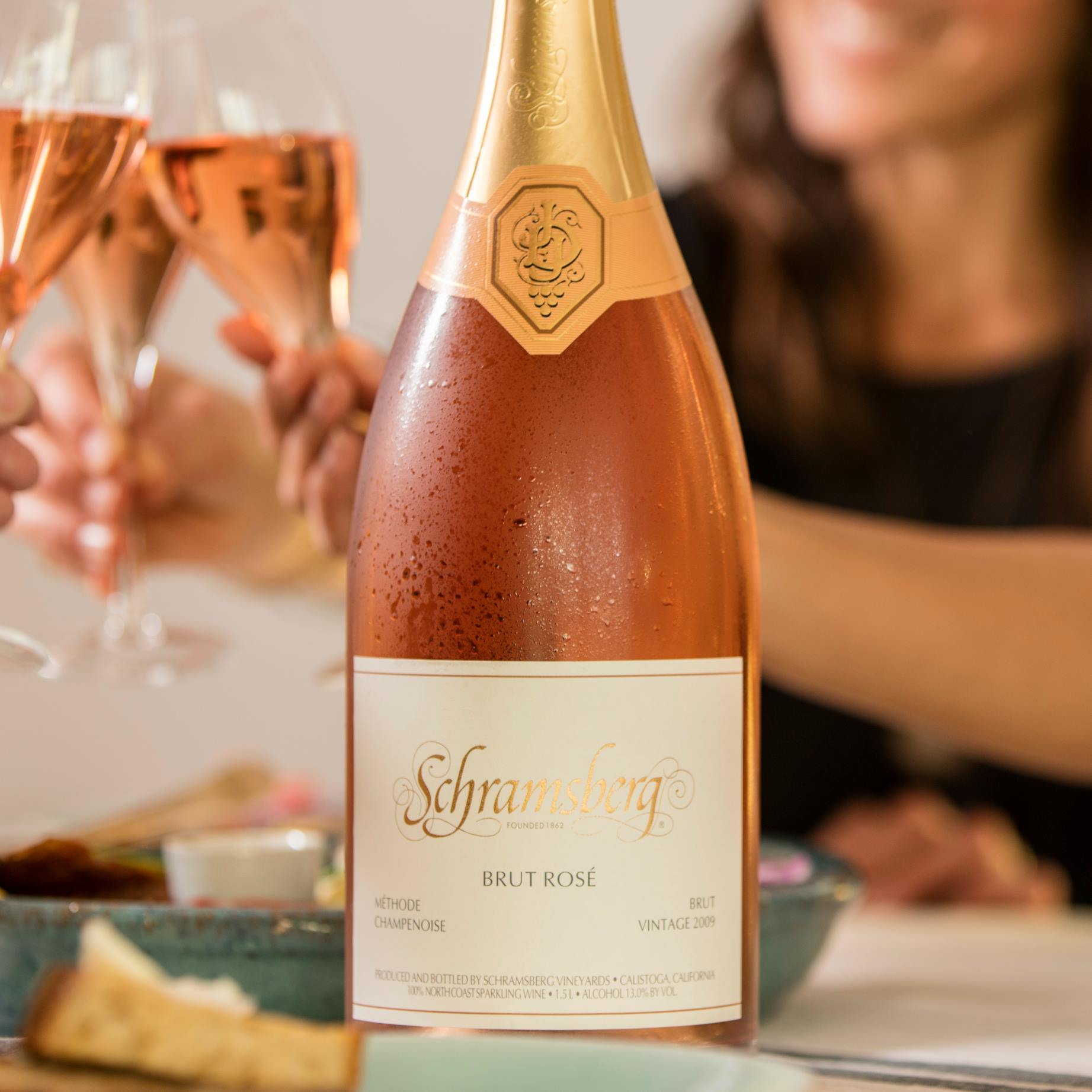
- Traditional-method sparkling rosés
- Grenache and Rhône-inspired blends
- Direct-press Provençal-style rosés
Many Napa producers now make rosé from grapes grown specifically for rosé production rather than relying solely on the saignée method, a technique where juice is removed from red wine fermentation tanks. Direct pressing often results in fresher, brighter wines with lighter color and greater precision.
Another thing worth knowing: many Napa rosés are produced in relatively small quantities and released seasonally, meaning some of the most sought-after bottles can sell out before summer ends.
Translation: there’s a Napa Valley rosé for just about every kind of summer plan.