Presented in partnership with
- 9342
- 0




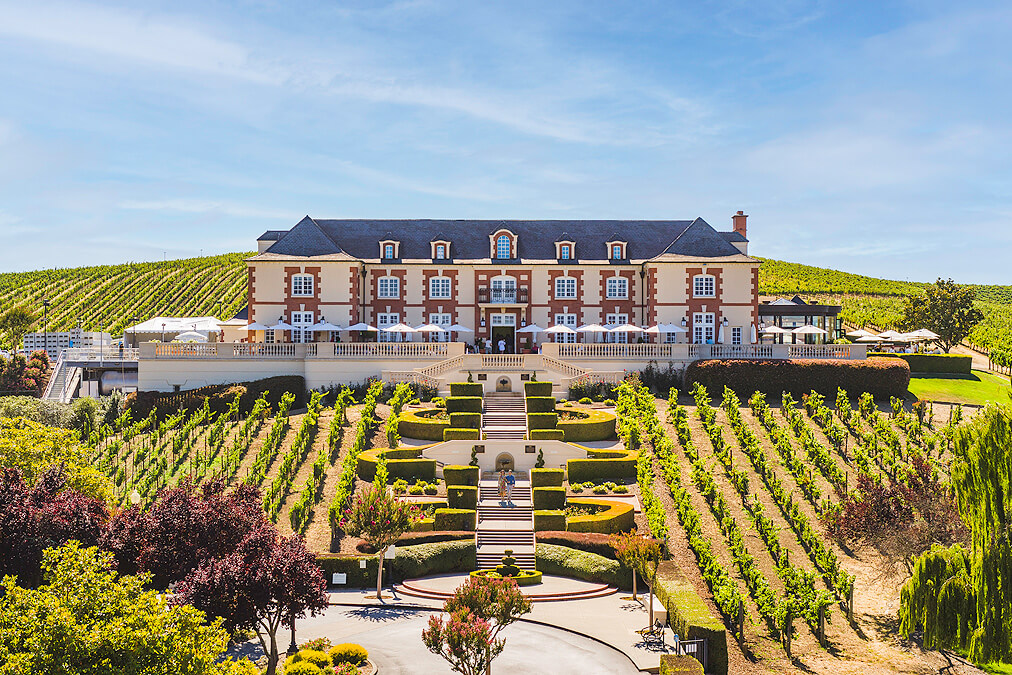
Domaine Carneros, Photo courtesy of Mario Piombo, Aperture Media
Presented in partnership with

Let’s be honest: between perfectly curated charcuterie boards that have become a full-contact sport on Instagram, tablescape trends that require a degree in floral design, and the pressure to host the “most memorable” gathering, entertaining has gotten… intense. But here’s the thing—while everyone’s obsessing over whether their cheese-to-cracker ratio passes the internet vibe check, the one element that actually elevates a gathering often gets overlooked: proper wine etiquette.
Not etiquette in the stuffy, intimidating sense. We’re talking about the kind of know-how that honors the winemaker’s craft, preserves what makes the wine special, and ensures everyone at your table experiences it at its absolute best. Because a producer like Domaine Carneros spends years perfecting their méthode traditionnelle cuvées—the least we can do is serve them properly.
Now that we’re into a new year, there’s no better time to master a few fundamentals before your calendar starts filling up again with Galentine’s gatherings, Mother’s Day and graduation celebrations, and wedding showers galore.

You’ve seen the think pieces. Flute vs. coupe vs. wine glass—what’s the “right” answer? Here’s the truth: drink your bubbly however you want.
Our official stance: The best glass is the one you’ll actually use. Don’t let glassware stop you from popping bottles.
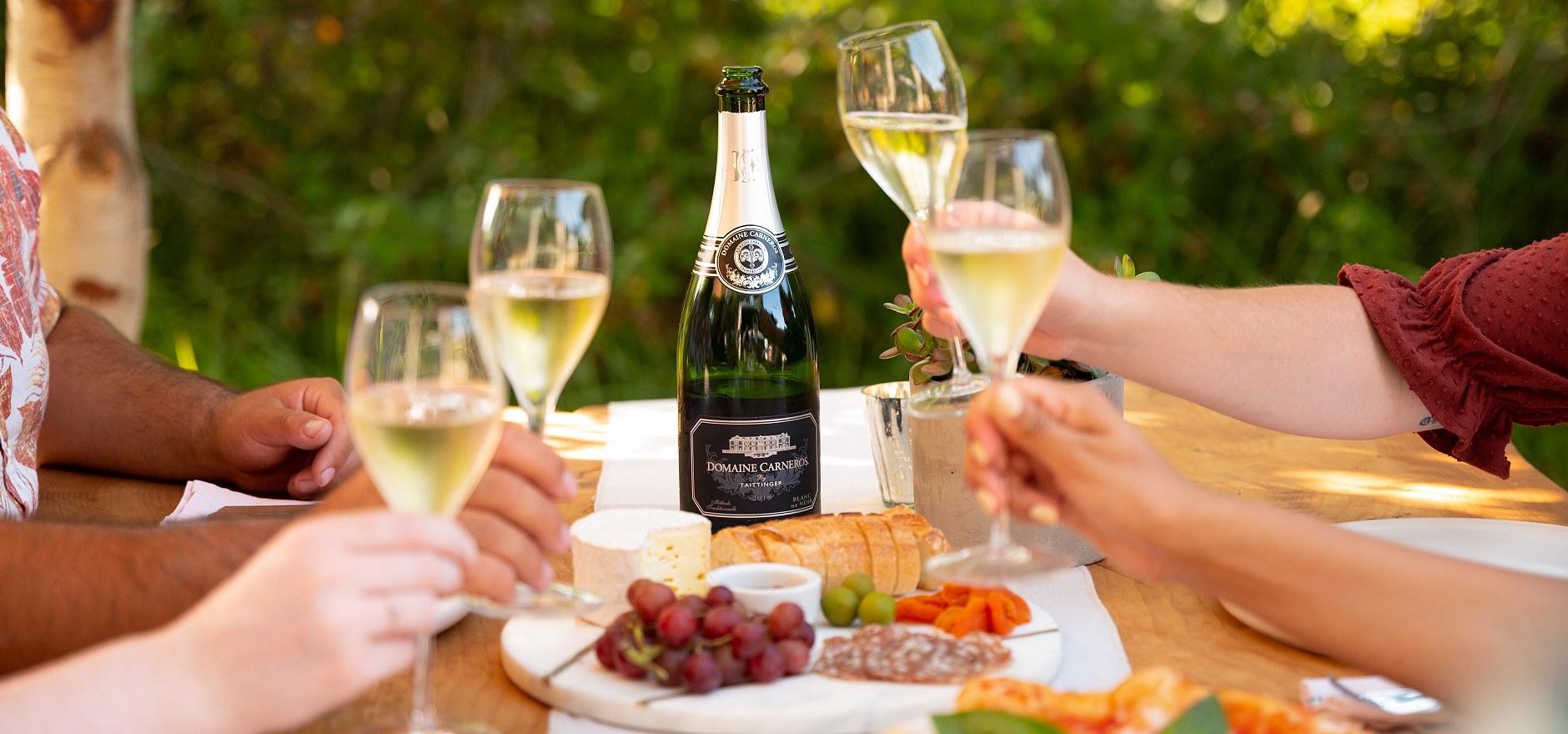
But… here’s what the winemakers actually recommend: If we’re talking proper etiquette and optimal tasting experience, Domaine Carneros’ winemaker Zak Miller reaches for a tulip glass over a coupe every time. Why? The tulip’s tapered shape does two critical things: it maintains effervescence longer, and it concentrates aromatics at the rim so you actually smell the wine’s complexity—the citrus, the brioche, the floral notes—before you taste it.
Yes, flutes and tulip-shaped glasses preserve bubbles longer and concentrate aromas (we’re partial to Domaine Carneros’ gorgeous logo’d flutes for this reason—plus they make exceptional gifts). But if you only have coupes? They’re festive. Wine glasses? Totally fine.
Use what you have and enjoy yourself. But if you’re investing in quality sparkling wine—especially for a special occasion—the tulip or flute will show you what you’re really after. And if you’re hosting? Having the right glassware is a subtle way of saying “I care about this wine and I care about your experience.” That’s etiquette in action.
The eternal question for every host: how much is enough? The answer depends on your occasion’s tempo and duration.
For intimate gatherings (4-6 guests): Begin with two bottles minimum. This allows for generous initial pours plus that essential second glass as conversation flows.
For larger celebrations: The classic formula is half a bottle per person. Hosting 20? Plan for 10 bottles minimum. But here’s where it gets interesting for the wine-savvy: consider the contenance—the bottle format itself.

Pro tip for enthusiasts: A Magnum (1.5L) isn’t just impressive—it actually ages more gracefully due to the wine-to-oxygen ratio. The slower maturation creates a more complex autolytic character (those brioche and toasted almond notes from extended lees contact). For true impact, a Jeroboam (3L) commands attention while ensuring optimal serving temperature throughout your event.
Quick Reference:
Temperature is non-negotiable, yet perpetually misunderstood. Most sparkling wines sing between 45-50°F (7-10°C).
Why it matters: Too cold (below 42°F) and you mute the aromatic complexity—all that beautiful development from tirage and remuage goes unnoticed.
Quick-chill method for emergencies: Wrap your bottle in a damp kitchen towel and refrigerate for 15 minutes. Never longer than 20 minutes, or risk a frozen explosion.
Sommelier’s secret: The fastest chill? An ice bucket with this ratio: 50% ice, 50% water, plus two generous handfuls of kosher salt. The salt lowers water’s freezing point, creating an intensely cold brine that chills in 10-12 minutes.

For long-term conservation: Store bottles horizontally at a consistent 55°F (12-13°C), away from light and vibration. The horizontal position keeps the cork moist, maintaining its seal. Oenophiles take note: even slight temperature fluctuations accelerate aging—consistency is everything.
Yes, that satisfying pop is iconic, but the French actually prefer a gentle soupir—a whisper, not a bang. Here’s the proper technique:
Expert consideration: The pressure in a bottle of sparkling wine (roughly 90 PSI) makes it a projectile if mishandled. During crowded parties, control the cork, always. Face the bottle away from your grandmother’s prized vase.
A sabrage note: If you’re feeling theatrical and own a champagne saber, you can make any gathering extra memorable. But know that traditional sabrage is best reserved for outdoor celebrations—not your living room with new carpet. Try this one if you dare!

Technique prevents overflow and preserves the mousse:
For those serving multiple bottles: Open all bottles before guests arrive, but don’t pour in advance. Pre-poured sparkling wine loses its vivacité—that lively, dancing quality that makes it special.
Primary aromatics: Fresh fruit (citrus, orchard fruits, berries), florals, minerality
Secondary characteristics: The autolytic notes from extended lees aging—think brioche, toast, hazelnuts, cream.
Texture: Quality sparkling wine has a creamy, fine mousse. It should feel elegant, not sharp or acidic.
The finish: Does it linger pleasantly, or disappear immediately? Length indicates quality.
For the expert palate: Consider the dosage (sugar addition after disgorgement). Domaine Carneros’ range showcases this beautifully:
Fun fact: All Domaine Carneros sparkling wines are méthode traditionnelle (traditional method), meaning secondary fermentation occurs in the bottle you’re drinking from. This extended contact with spent yeast cells (sur lie) creates delicious complexity.
Whether you’re popping a bottle for Tuesday-night takeout or orchestrating an elaborate soirée, these principles ensure you honor the winemaker’s work while creating memorable experiences.
Ready to explore? Visit Domaine Carneros’ Wine Shop to discover their range of méthode traditionnelle sparklers—each bottle a celebration waiting to happen.
Santé!